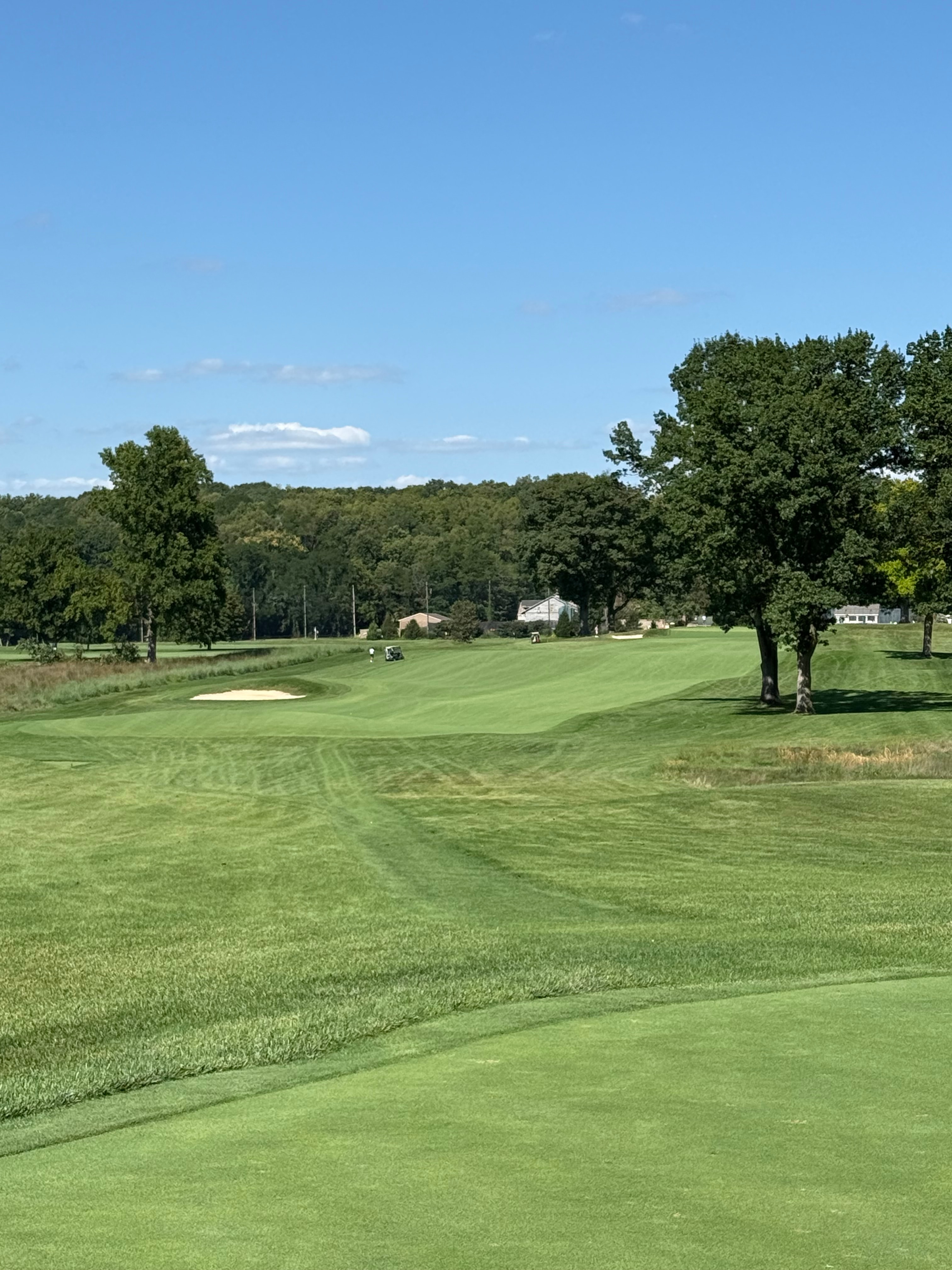
There are plenty of great golf clubs that make sure you know you're at a great golf club.
Moraine isn't one of them.
Pull in, park, change your shoes in the parking lot if you want. Nobody cares. The whole place feels understated and unusually relaxed for golf this good.
I've played Moraine six or seven times now, and that's probably what I like most about it. The conditioning is incredible, the sightlines are great, caddies are part of the culture, and almost everything about the club seems designed around one thing:
Golf.
The men's bar is literally in the middle of the locker room. Tables, chairs, drinks — right there. It might be my favorite locker-room setup anywhere.
The food and drinks themselves aren't trying to be an attraction. They're just solid.
Again: the attraction is the golf.
And the golf is really, really good.
A few details from the day
September 6, 2026
White
82° and beautiful
Gusty · roughly 1–2 clubs
Walking · Caddie
Approximately 6–7
We'd gotten a ton of rain the day before, so the greens were softer than I've seen them on previous visits. They were probably rolling around a 12 rather than the 13–14 Moraine can get to.
“Softer” does not mean easy here.
There's so much slope and movement in the greens that you spend most of the day figuring out where you absolutely cannot leave the ball.
The Course
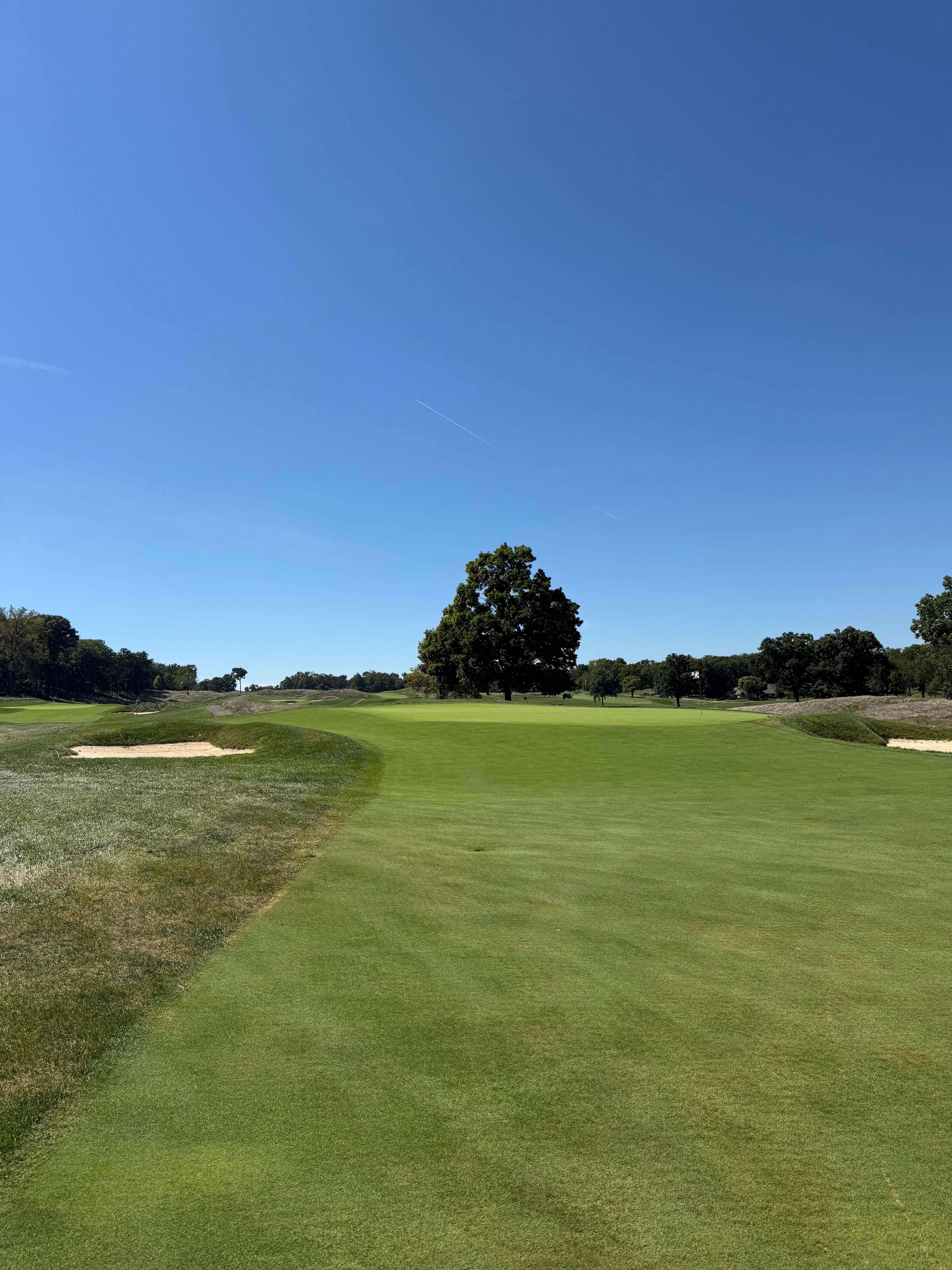
Moraine doesn't beat you up with one obvious defense.
It's the combination of movement, positioning and greens.
The first hole gives you the lesson immediately. It looks fairly innocent, then you get to a green that falls severely from back to front.
Get above the hole and suddenly making par feels like an accomplishment.
That theme repeats all day.
No. 2
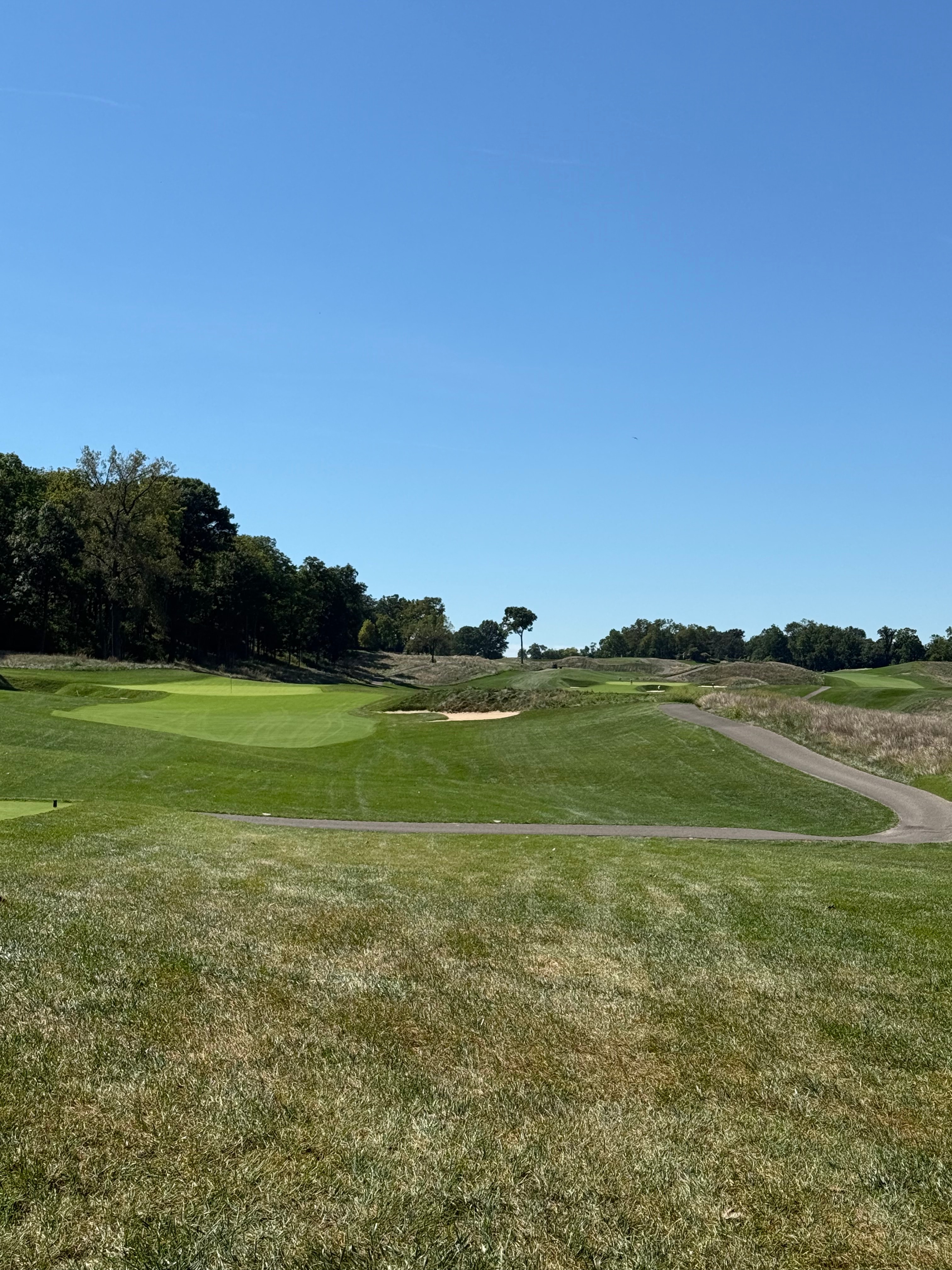
A proper long par 3.
Depending on the tee, No. 2 can play anywhere from roughly 180 to 240 yards.
There isn't a gimmick here. It's just a genuinely difficult golf hole.
It's also one of the holes TCR identifies as a signature hole, and I agree.
No. 3
The one hole I don't love.
Every great course gets one.
For me, it's No. 3.
The tee shot has always felt awkward. Hit driver and the ball can run into the hill. Hit something like 3-iron and it can roll back down the slope.
Unless you hit a pretty narrow window near the top, you can end up in basically the same spot either way.
Long, straight hitters can carry the problem and make the hole much simpler.
Everyone else gets to negotiate with the hill.
It's not a bad hole.
It's just the only one at Moraine I actively don't like.
No. 4
One of my favorites.
Great par 3.
It has some of the visual qualities I love in the Seth Raynor-style template holes at Camargo: bold shaping, a defined target and a hole that looks interesting before you've even hit the shot.
One of the best holes on the property.
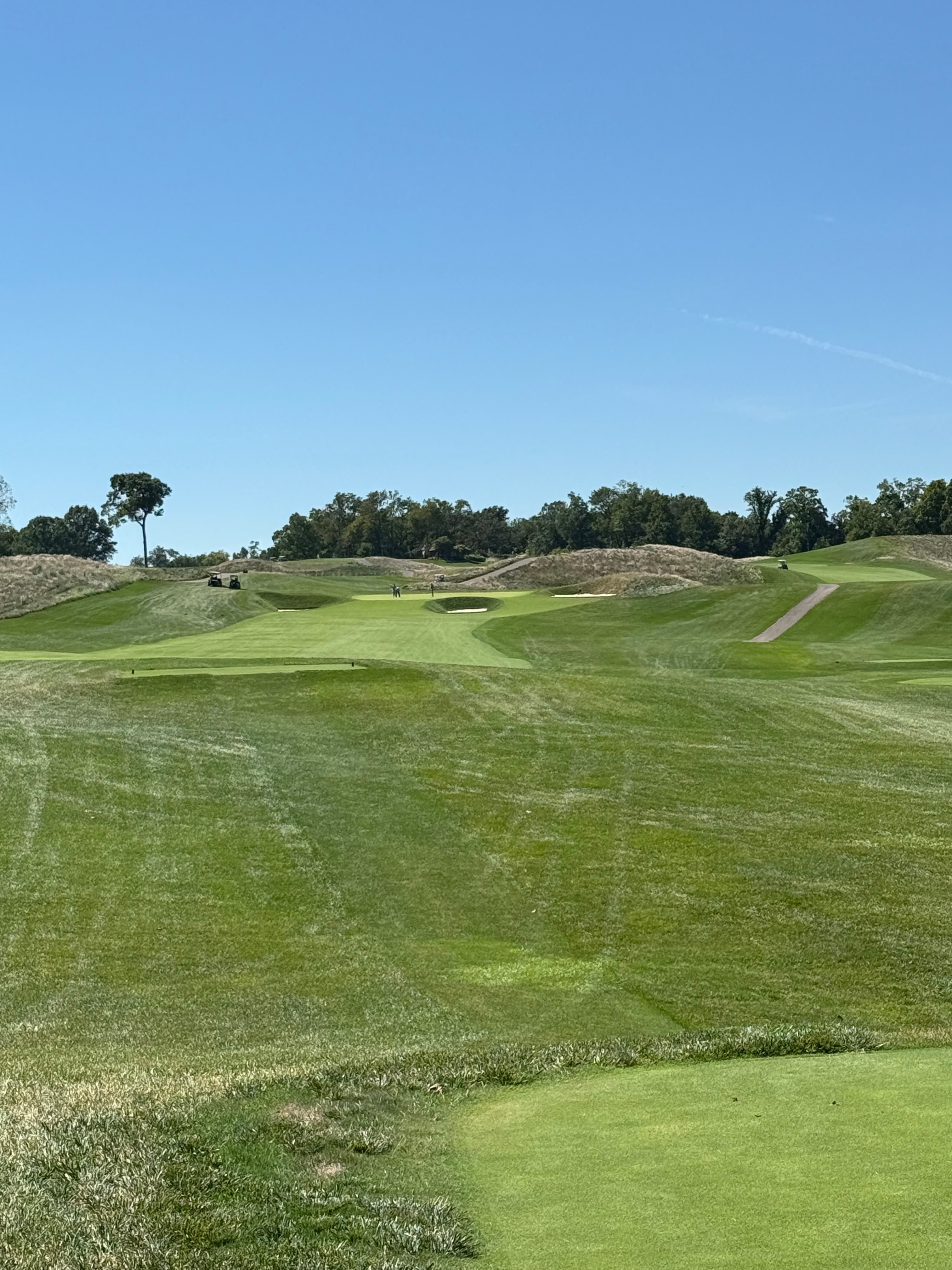
No. 6
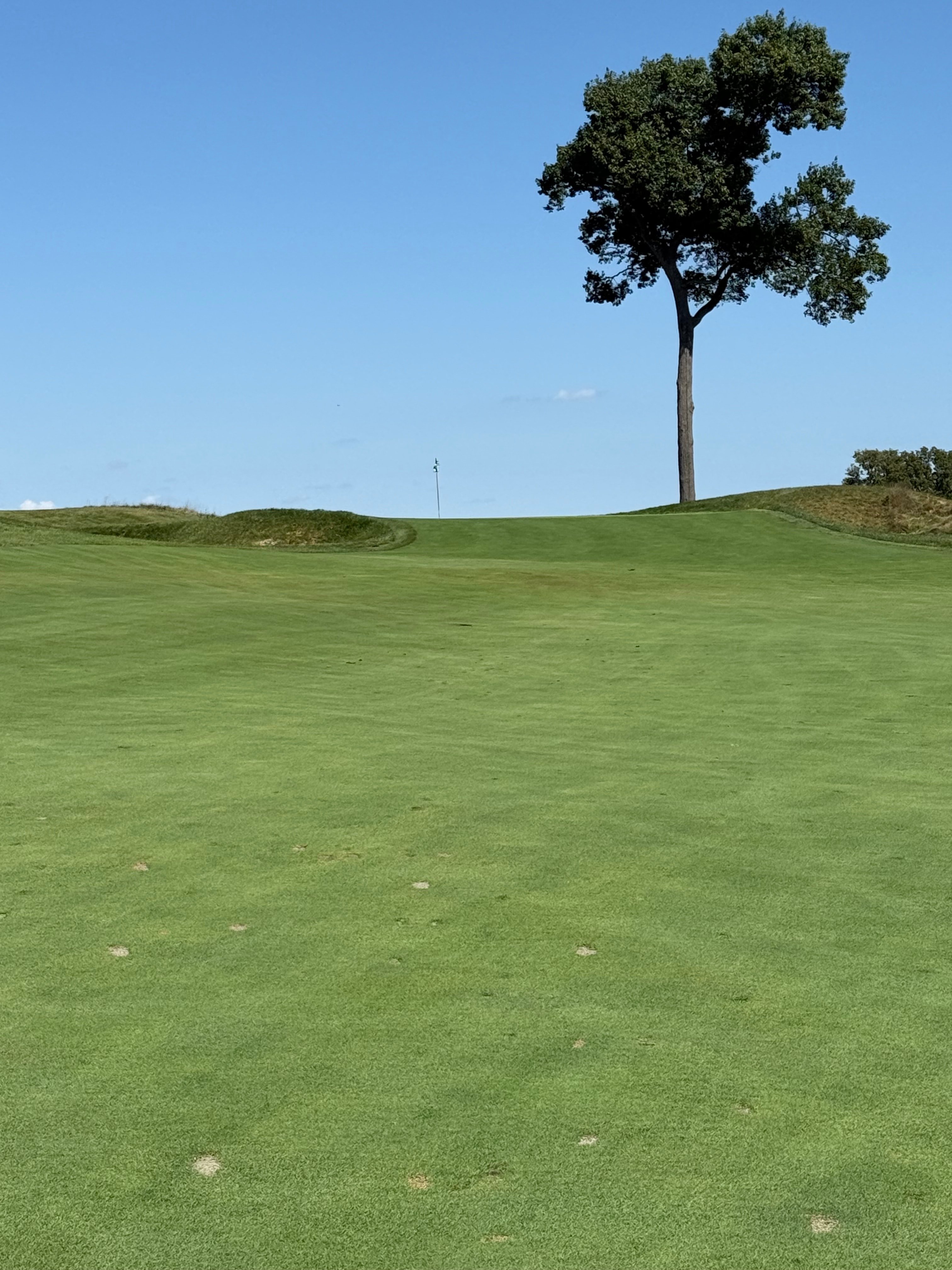
Short. Tiny green. Tons of slope.
This is exactly what a short hole should be: the yardage isn't the defense.
Hit the target and everything is fine.
Miss it and suddenly the hole gets very interesting.
A Course You Can See
This is one of the things I love about Moraine that is harder to capture on a scorecard.
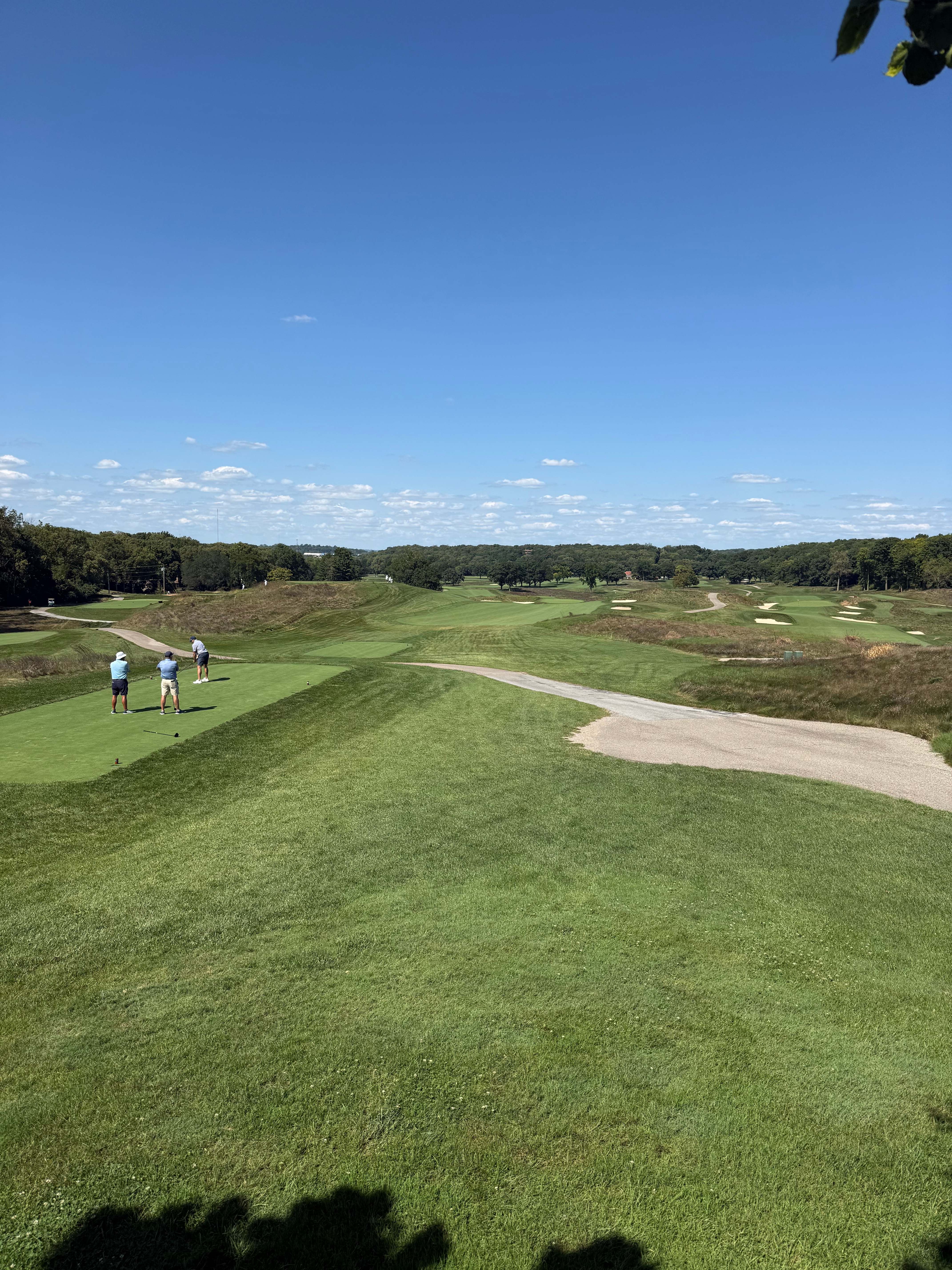
There are fantastic sightlines across the property.
You're constantly seeing other holes, landforms, bunkers, people walking and different parts of the course unfolding in front of you.
It feels like one connected golf landscape rather than 18 corridors.
No. 8
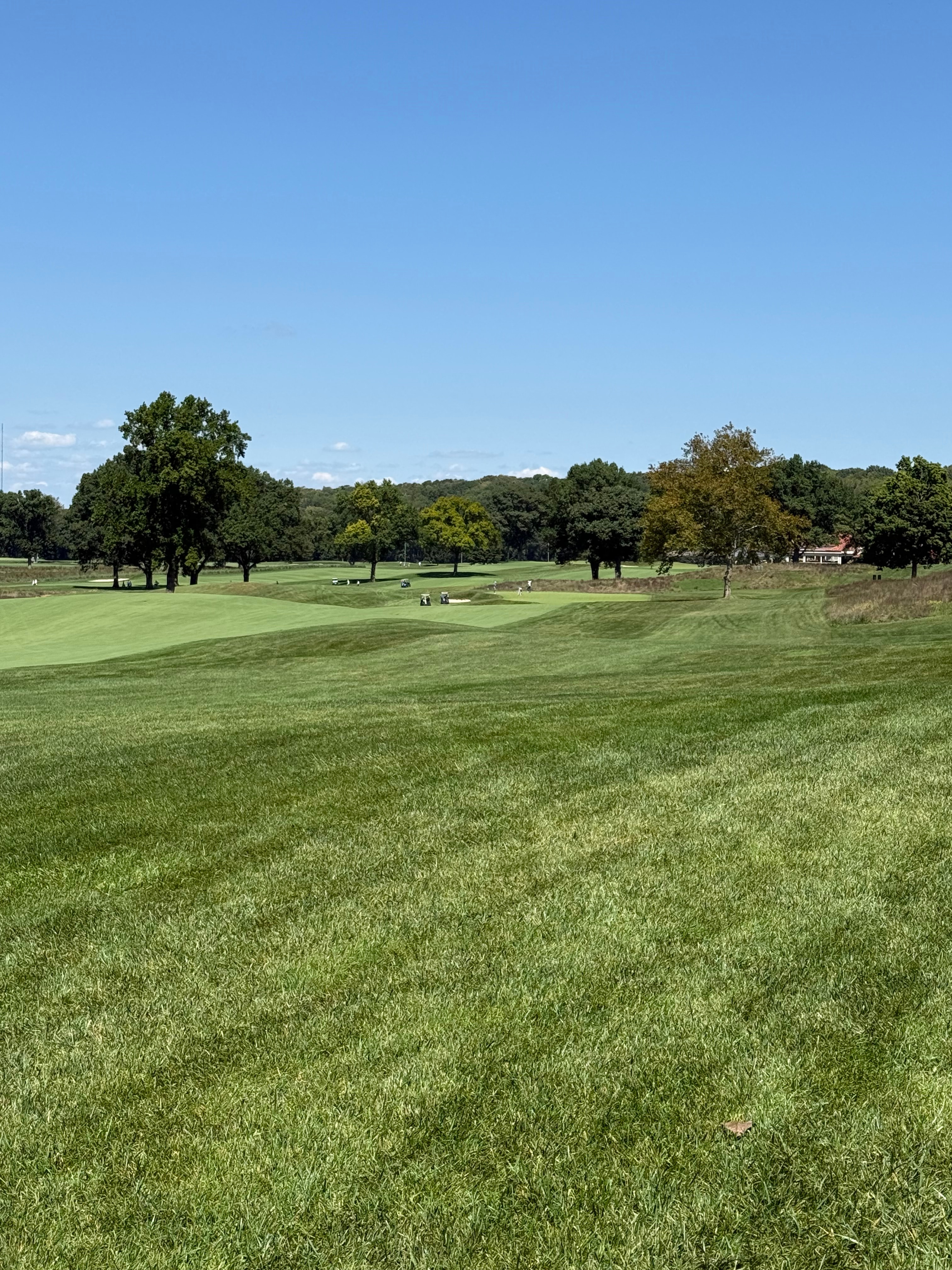
This hole always seems to play harder than the scorecard suggests.
We had it directly into the wind, which added a club or two.
The green is very deep and difficult to reach in two.
It's one of those holes where the number on the card doesn't fully explain what you're about to deal with.
The Turn
Nos. 9 and 18 both work back toward the clubhouse, giving each nine a natural finish.
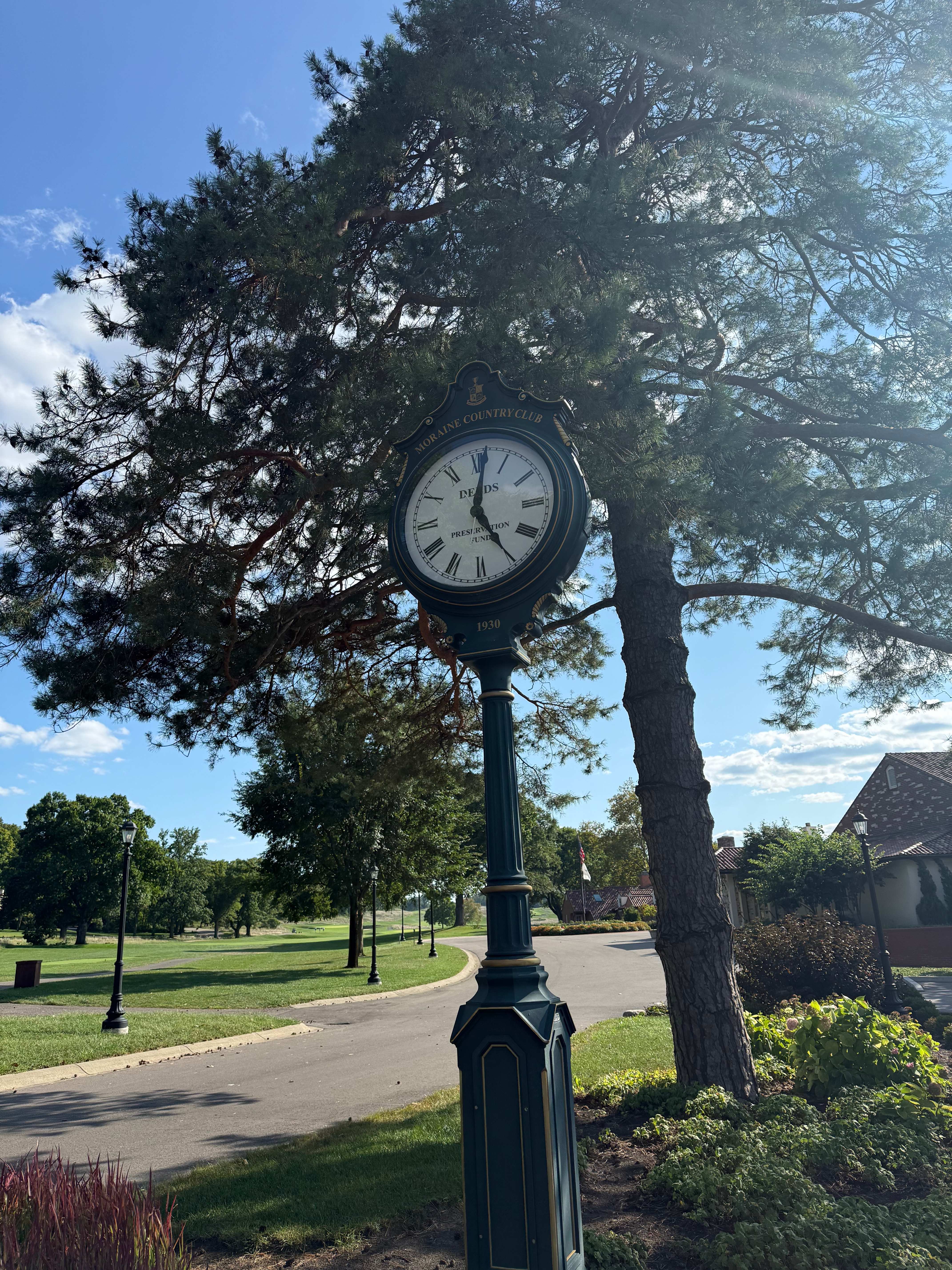
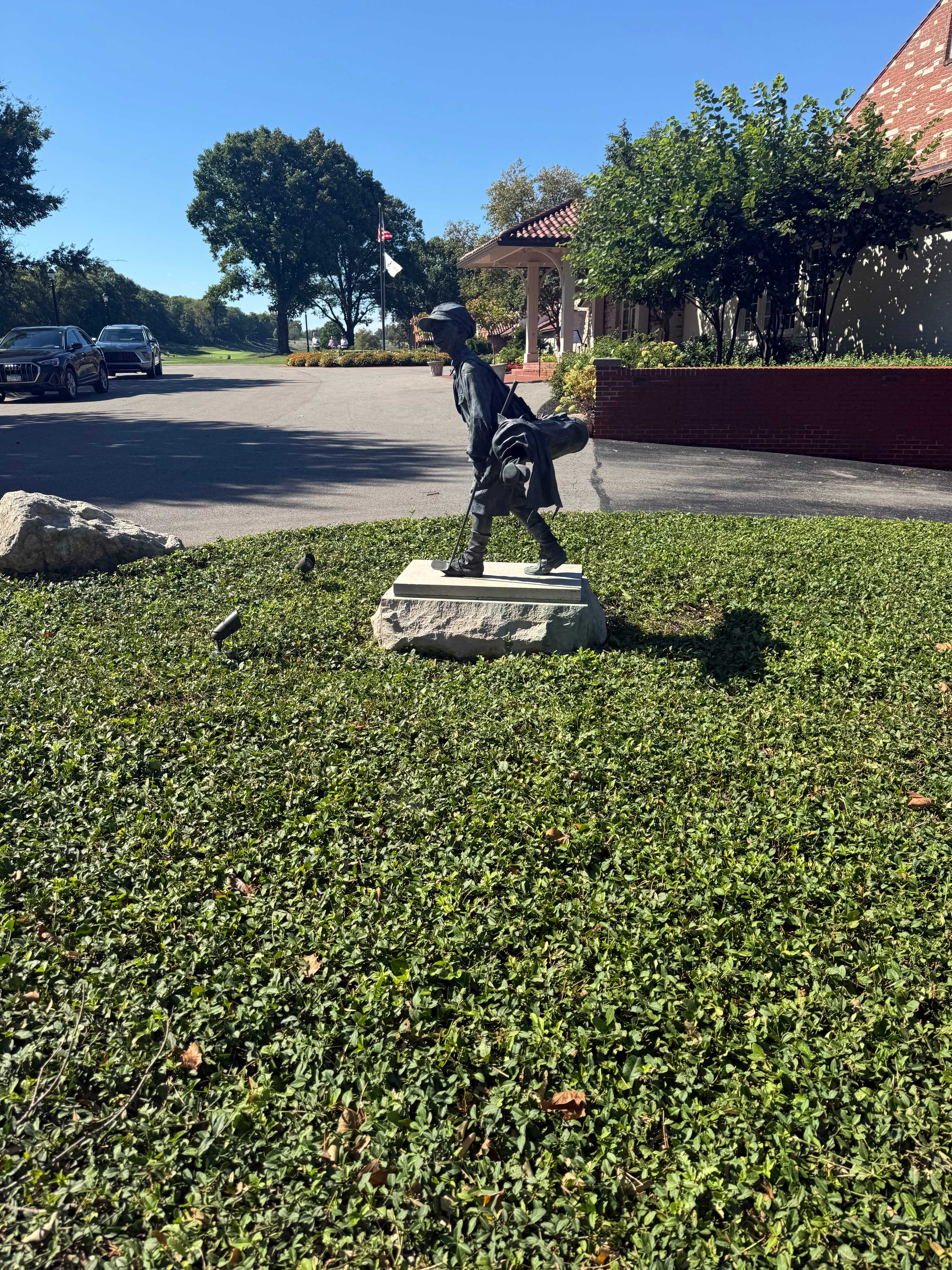
And then you hit the old turn house.
That little stretch captures Moraine pretty well: old-school, comfortable, friendly and completely lacking in unnecessary ceremony.
The Back Nine
The back gets increasingly interesting as you get into the middle of it.
No. 12 is a long par 3 with another wild Moraine green — huge, heavily sloped and visually intimidating from the tee.
It almost has a Biarritz feel to it, where simply getting the ball onto the correct part of the putting surface feels like an accomplishment.
Then you get to 13.
A scorable par 5 that takes you back into the rolling terrain.
Hit a good drive and there is an opportunity to be aggressive, but the green is small enough — and severe enough — that you still have to earn it.
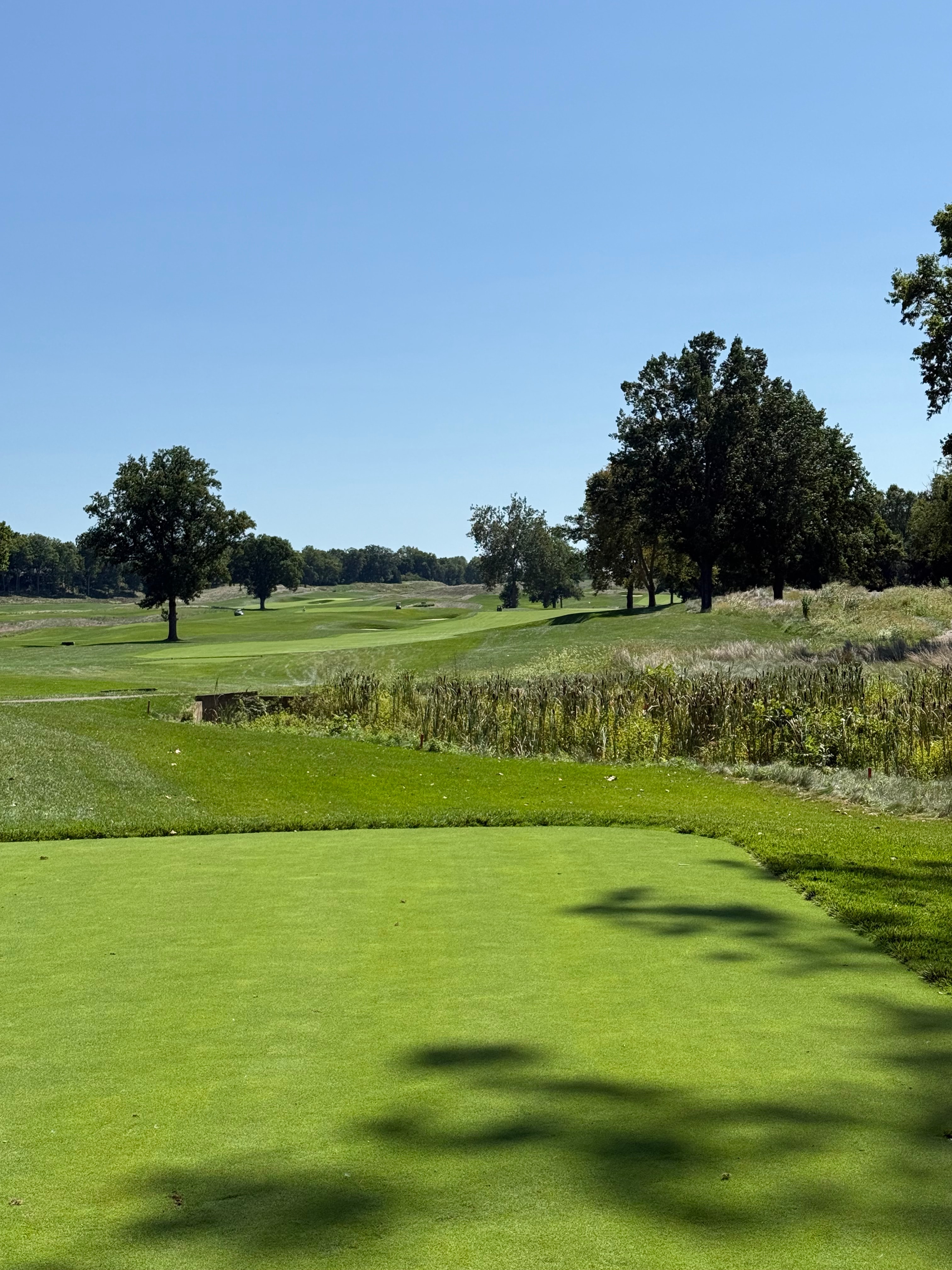
No. 13
A scorable par 5 that takes you back into the rolling terrain.
Hit a good drive and there is an opportunity to be aggressive, but the green is small enough — and severe enough — that you still have to earn it.
No. 14
And then Moraine really turns it on.
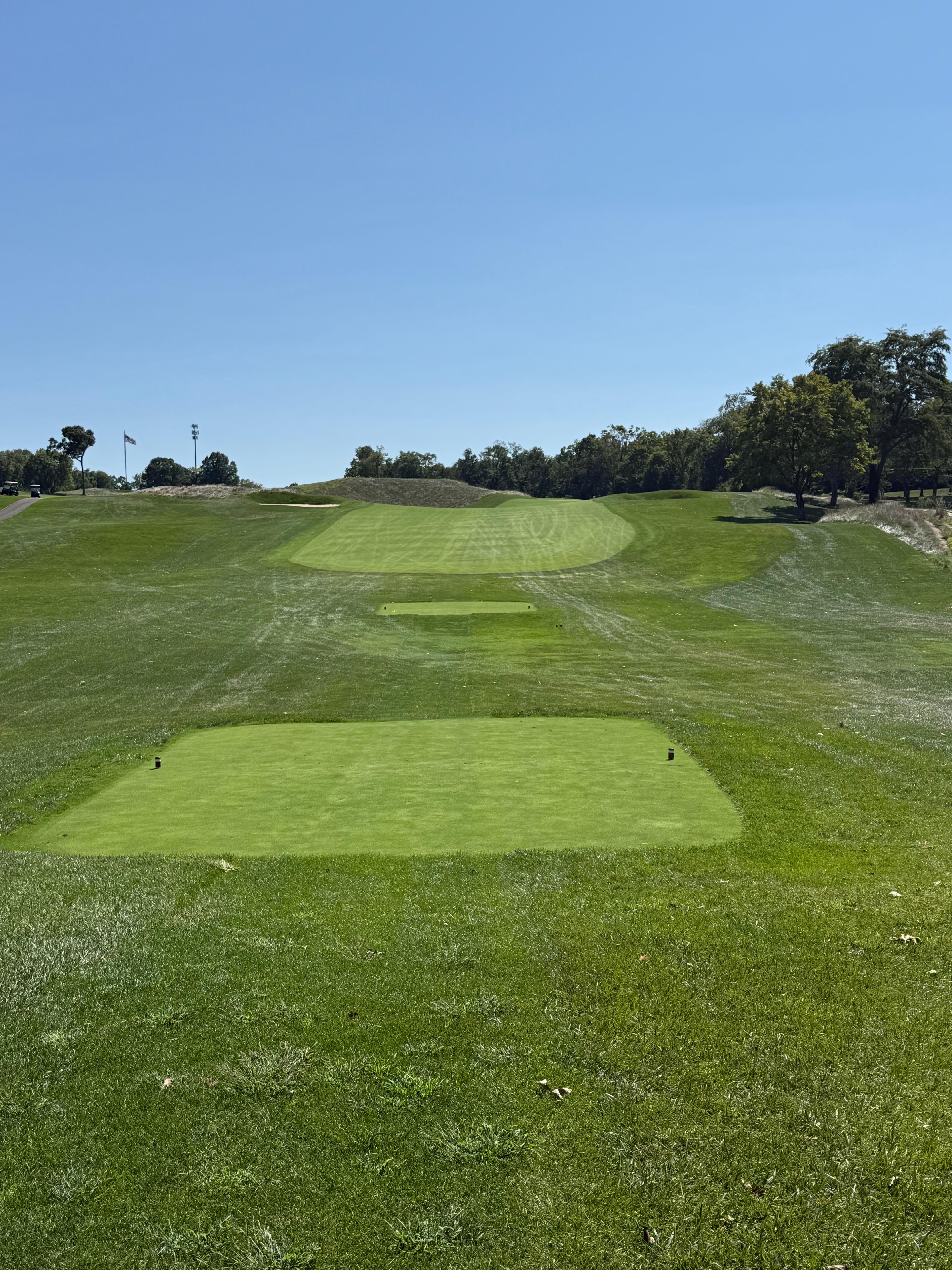
No. 14 is one of the signature holes on the course — a long par 4 climbing dramatically uphill to a severely elevated green.
There is movement everywhere, building toward a green perched above you on the hillside.
Come up short and the false front can send the ball all the way back down the hill — potentially 80 yards.
I don't think this is the place for heroics.
Find any part of the putting surface, take your two putts and move along.
No. 15
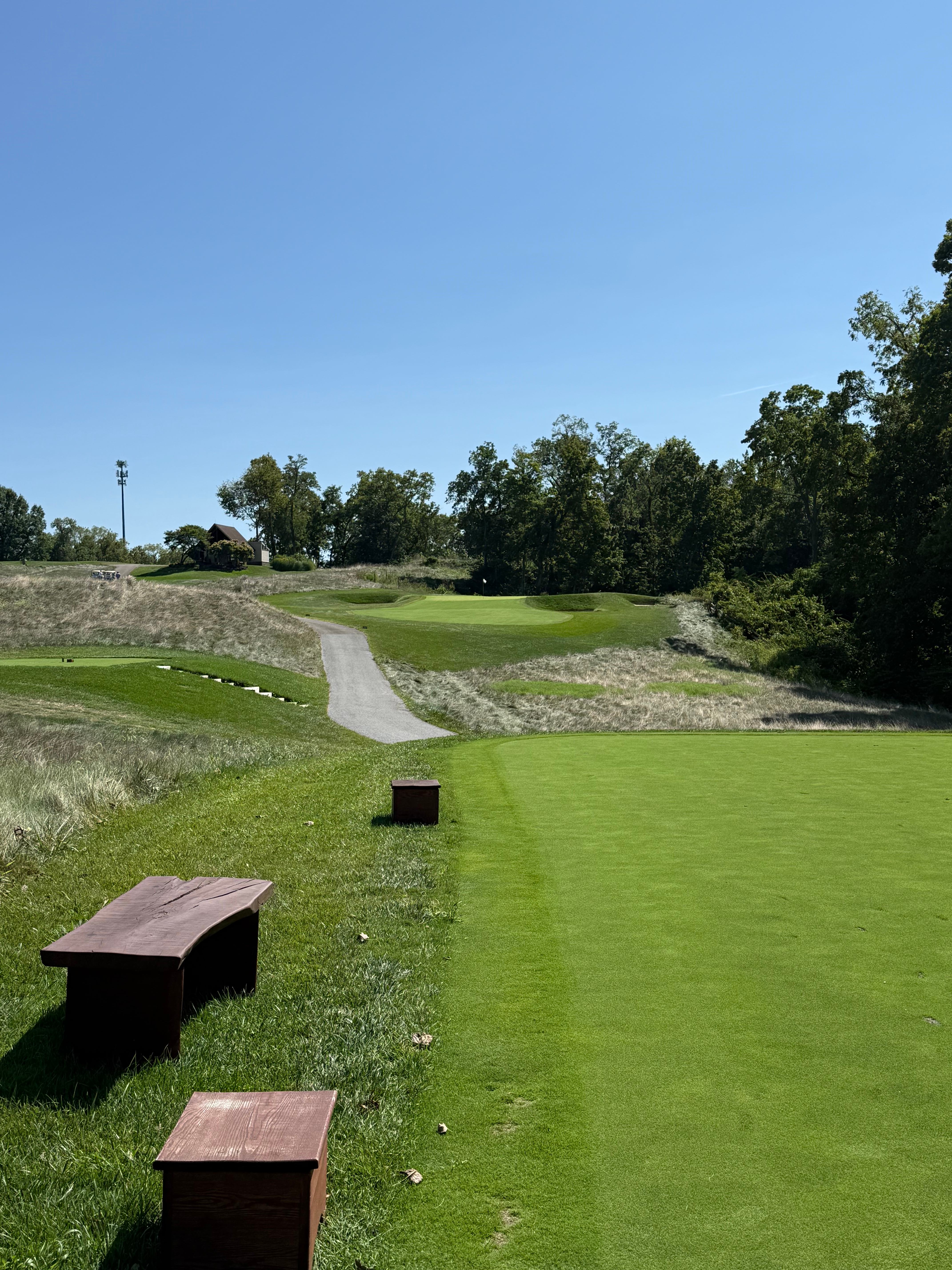
Same hole, two completely different looks.
Moraine can play this par 3 from two very different teeing grounds.
This time we played the lower tee to the right, which was actually my first time seeing it from there.
I much prefer the elevated tee on the left.
From up there, the hole is dramatically better visually.
No. 16
A really good par 4 with a very specific tee shot.
There's basically a chute you're trying to hit.
Find the middle and the ball feeds down into position, leaving a nice wedge into the green.
Miss the window and the bunkering on either side is waiting.
No. 18
One last punch.
This was a bruiser into the wind.
The green looks like it ends much earlier than it actually does.
From the fairway, the front feels like the target — then you realize the putting surface keeps going for another 40 yards.
Take one more club than you think.
Probably two if the wind is blowing.